
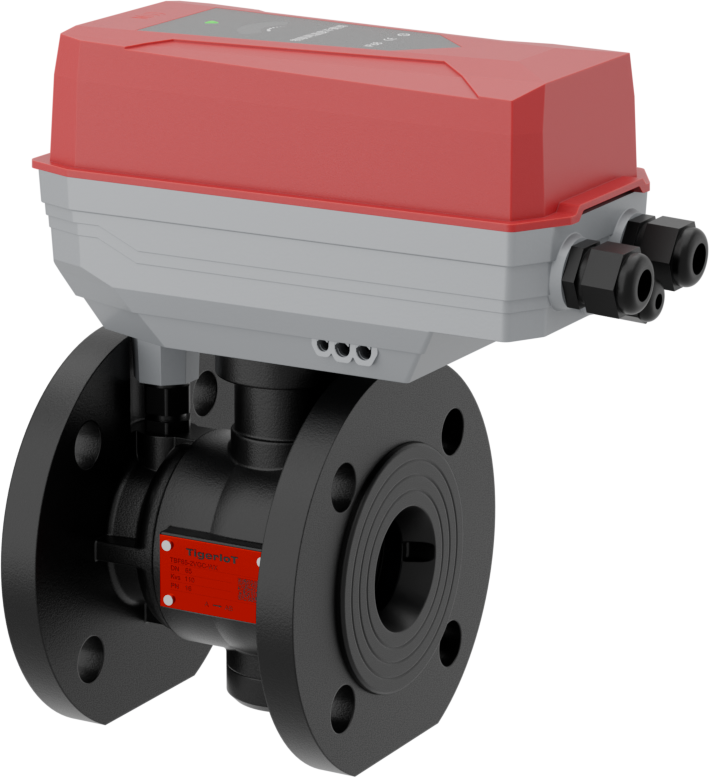
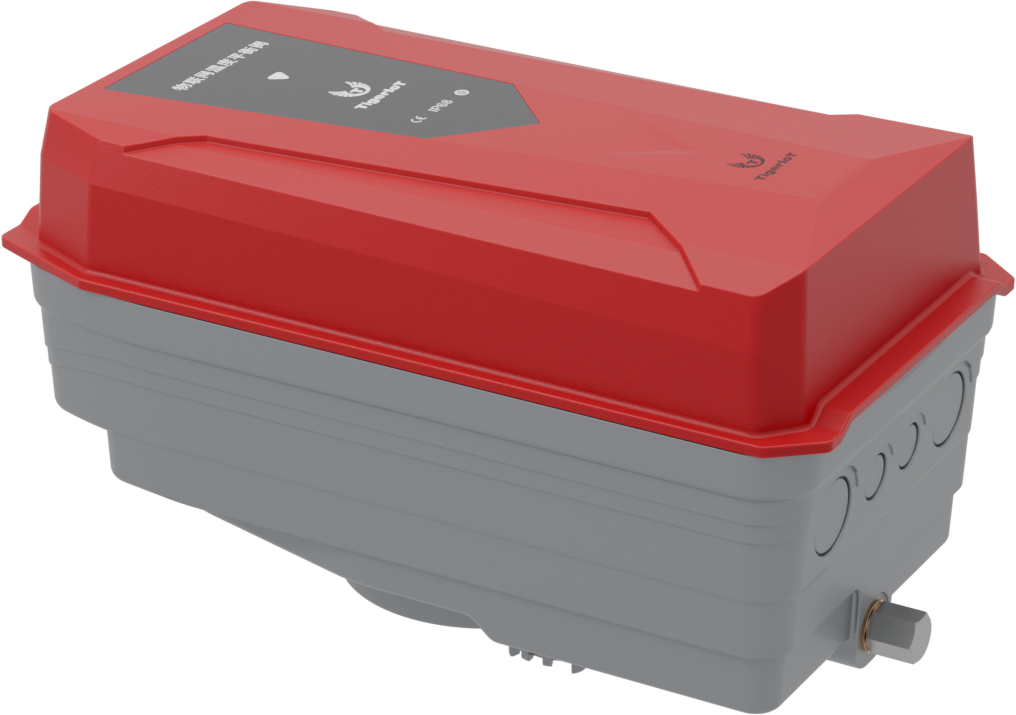





Unit-Level IoT Temperature Balancing Valve
Cloud-Based Management · Unit-Level Regulation · Precise Control
Product Performance
Size Range: DN40–DN250
0.3% High-Precision Regulation
Control accuracy up to ±0.3%, ensuring precise response to control commands even at small valve openings.
Multiple Communication Options, Flexible Networking
Supports LoRa and NB-IoT wireless communication, as well as RS485 wired communication. Communication methods can be flexibly selected based on on-site project conditions.
Integrated Anti-Tamper Design, Safe and Reliable
No exposed connection bolts. Disassembly requires dedicated tools, effectively preventing improper operation or intentional damage by unauthorized personnel and ensuring long-term safe system operation.
Zero Resistance at Full Open
Featuring a full-bore flow path design, the valve introduces almost no additional flow resistance when fully open, effectively reducing system pressure loss and lowering circulation pump load.
Zero Leakage at Full Close
The sealing structure is precisely engineered and rigorously tested to ensure reliable sealing in the fully closed position, effectively preventing internal leakage and safeguarding system operation.
Protection Rating: IP68
The entire valve meets IP68 protection standards, offering excellent waterproof and dustproof performance, significantly enhancing equipment reliability and service life.
Unit-Level IoT Temperature Balancing Valve (Powered Version)
Supply & Return Water Temperature Acquisition Supply & Return Water Pressure Acquisition
Unit-Level IoT Temperature Balancing Valve (Battery-Powered Version)
- Automatic balancing throughout the entire heating season
- Battery service life up to 5 years, replaceable
- No on-site power supply required; compact design for easy installation
Battery Life Designed for a 5-Year Service Life
Communication Interval
Once per hour
Operating Mode
Dynamic regulation throughout the entire heating season
Environmental Adaptability
Reliable operation at temperatures down to −30 °C
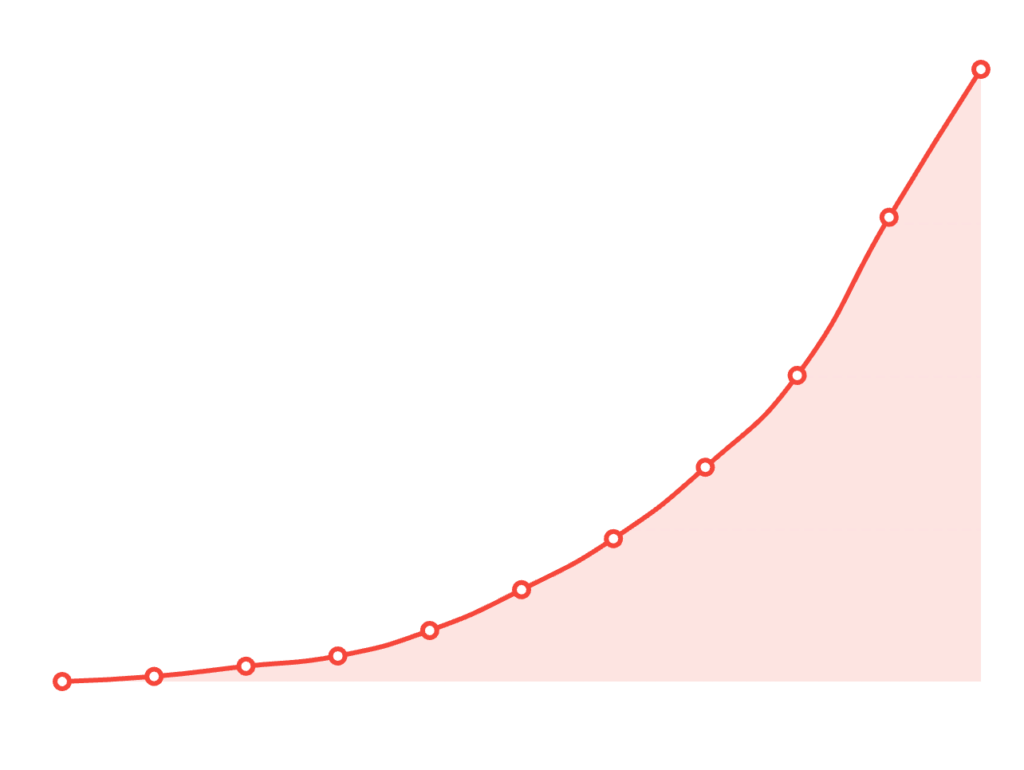
Equal-Percentage Flow Characteristic
Smart DTU Communication Box
Communication Modes:4G to RS485 · 4G to M-Bus · 4G to LoRa
DTU Communication Box Features
Selectable Network Operators
The communication box supports SIM card replacement and is compatible with all network standards of China’s three major carriers.
Power Supply Voltage
Input voltage: 220 V AC Output voltage: 24 V DC, providing 24 V DC power for on-site devices.
Dedicated Mobile App
A dedicated mobile app allows users to read carrier parameters, signal strength, SIM card number, billing status, data usage plans, and more.
Multi-Channel Data Transmission
Supports multi-channel data transmission, configurable according to user requirements.
Selectable Baud Rates and Check Modes
Baud rates: 2400 (default) / 4800 / 9600 Check modes: Even parity (default) / Odd parity / No parity
Protection Rating
Enclosure protection rating: IP65.
Multiple Communication Options
The communication box is equipped with M-Bus and RS485 communication buses, enabling seamless connection with M-Bus/RS485 devices. Communication between the communication module and the cloud platform is carried out via 4G, offering low power consumption, long transmission distance, and reliable data transmission.
LoRa Wireless Communication
LoRa communication features strong anti-interference capability and excellent signal penetration. Even in industrial environments with dense metal equipment or complex signal conditions, it maintains stable and continuous data transmission, ensuring reliable system operation.
Mains-Free 4G–LoRa Communication Box
Solar Panel + Built-In Rechargeable Battery
Low-Power Design: Ultra-low power consumption, supporting stable operation for over 3 weeks even under continuous cloudy or rainy conditions.
Application Scenarios
Residential Buildings
Commercial & Public Buildings